http://en.wikipedia.org/wiki/Standard_Chinese_phonology#Vowels 维基 汉语普通话 元音
For broad allophone [e] of /ǝ/:- [e], in Pinyin ei, u[e]i/wei, [eɪ̯], [weɪ̯]
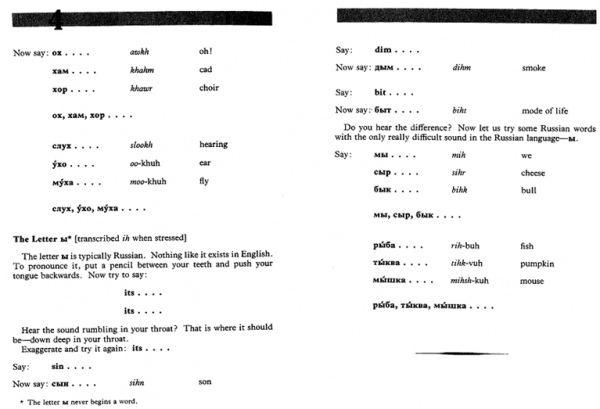
- For /ɨ/:
- [ɯ] (Pinyin i), after the alveolar sibilants /t͡s t͡sʰ s/ (zi, ci, si)
- [ɨ] (Pinyin i), after the retroflex sibilants /ʈ͡ʂ ʈ͡ʂʰ ʂ ʐ / (zhi, chi, shi, ri)
It would also be possible to merge
/ɨ/ and
/i/, which are historically related, since they are also in
complementary distribution, provided that the alveolo-palatal series is either left unmerged, or merged with the velars rather than the retroflex or alveolar series. (That is,
[t͡ɕi],
[t͡sɯ] and
[ʈ͡ʂɨ] all exist, but there is neither
*[ki] nor
*[kɨ], so there is no problem merging both
~[ɨ] and [k]~[t͡ɕ] at the same time.)
http://en.wikipedia.org/wiki/English_language#Vowels 维基 英语 元音
The system of
vowel phonemes and their pronunciation is subject to significant variation between dialects. The table below lists the vowels found in Received Pronunciation (RP) and General American, with examples of words in which they occur. The vowels are represented with symbols from the
International Phonetic Alphabet; those given for RP are in relatively standard use in British dictionaries and other publications. For more detailed information see
English phonology: Vowels.
http://en.wikipedia.org/wiki/Close_central_unrounded_vowel#Occurrence 维基 /ɨ/音多语种样例